
Finding Cultures Around Us

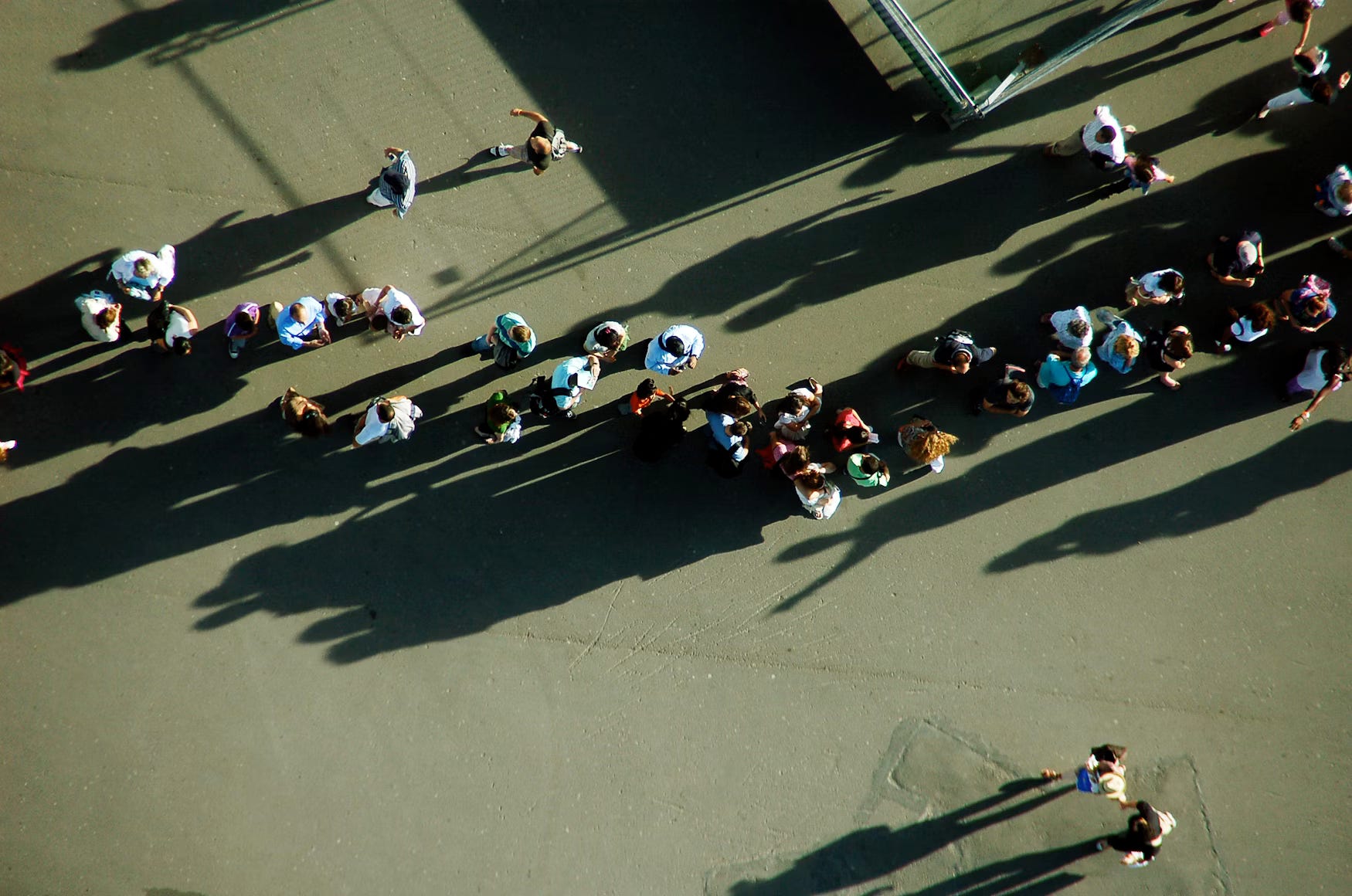
If you look closely, there are entire worlds around us most people never notice.
In my heart, I am first and foremost a poet. And as a poet, I have learned to pay attention to the spaces people make for themselves, the places they gather when no one is officially calling them together. It is a kind of real-life I-spy game.
There are men who spend their days in the corners of box-store parking lots and parks, sitting in idling cars, hiding in shade. It looks aimless. But in its own way, it is organized. Like they are following an invisible shift schedule, waiting for something unnamed to happen, waiting for permission.
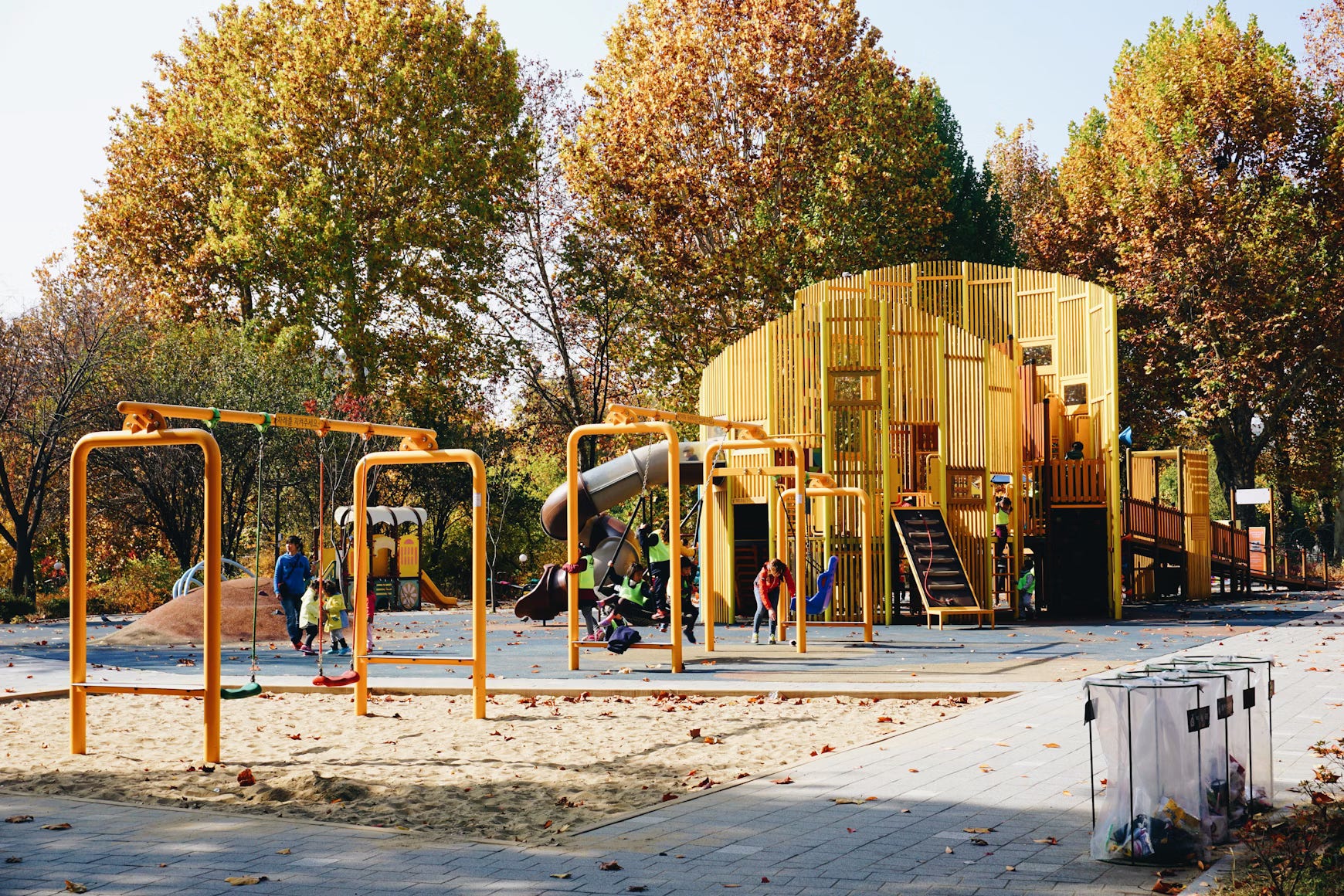
There are moms who stake out the same playgrounds at the same times, building support groups without names but serve as lifelines.
There are seniors and retirees who congregate the lobby at the Y, holding each other accountable in ways no formal program could design.
And then there are the mobile food support lines, reshaping whole neighborhoods week by week, pulling people to one corner of town on Monday, another on Thursday. Mobile and Micro- United Nations charted by desperation, shame, and nowhere-else-to-go.
If you know how to pay attention to their patterns, these are living networks that tell you where people are, and what they need. For me, building Lingwell means stepping into these spaces. It means learning not to wait for people to come to me, but to go where they already are. To listen in parking lots, at playgrounds, in produce aisles, in waiting rooms, around folding tables in borrowed spaces. It means finding ways to engage with people who live in the world as it is. And to find ways of translating their voices into an experience that may someday reflect something recognizable. And may help them to experience speaking their own voices back into the world with new and clearer intentions.
Learn more at LingwellHealth.com.